The Summer of Soap —Our Cold Press Soap Story
Posted by Mom | Olivia’s Rainbow Rub Blog
July 26, 2026
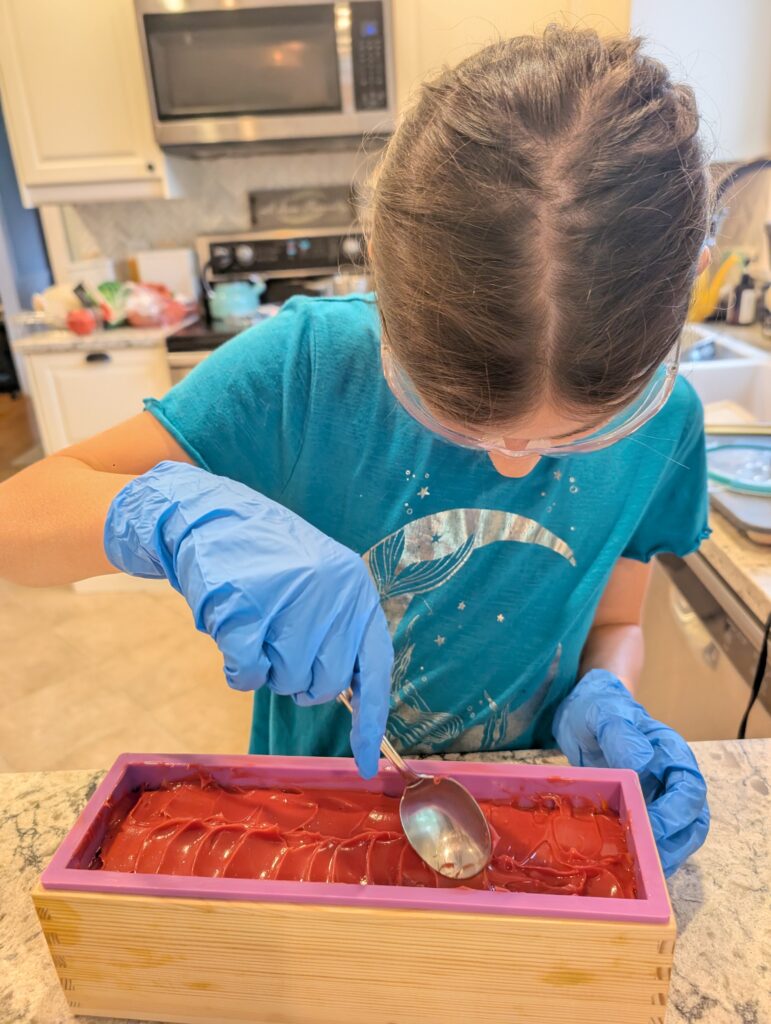
Hi, Mom here! I hope everyone is enjoying their summer!
Like many teachers, summer is my time for projects, whether it’s finally finishing something long overdue or learning a brand new skill. This summer, I chose the latter.
During the winter months, I kept coming across the most beautiful cold pressed soaps on my social media feeds with intricate designs, stunning colors, and gorgeous textures. I was captivated, and I couldn’t help but wonder…could we do this?
So I did what I always do when curiosity strikes: I researched. YouTube videos, books, websites – I spent months learning before we ever touched a single ingredient. Late spring, I finally felt we were ready. Our very first batch was intentionally simple: a plain, fragrance-free shea butter bar with no fancy colors or fragrance. Just learning the process and doing it right.
Then came the hardest part of making cold pressed soap: waiting.
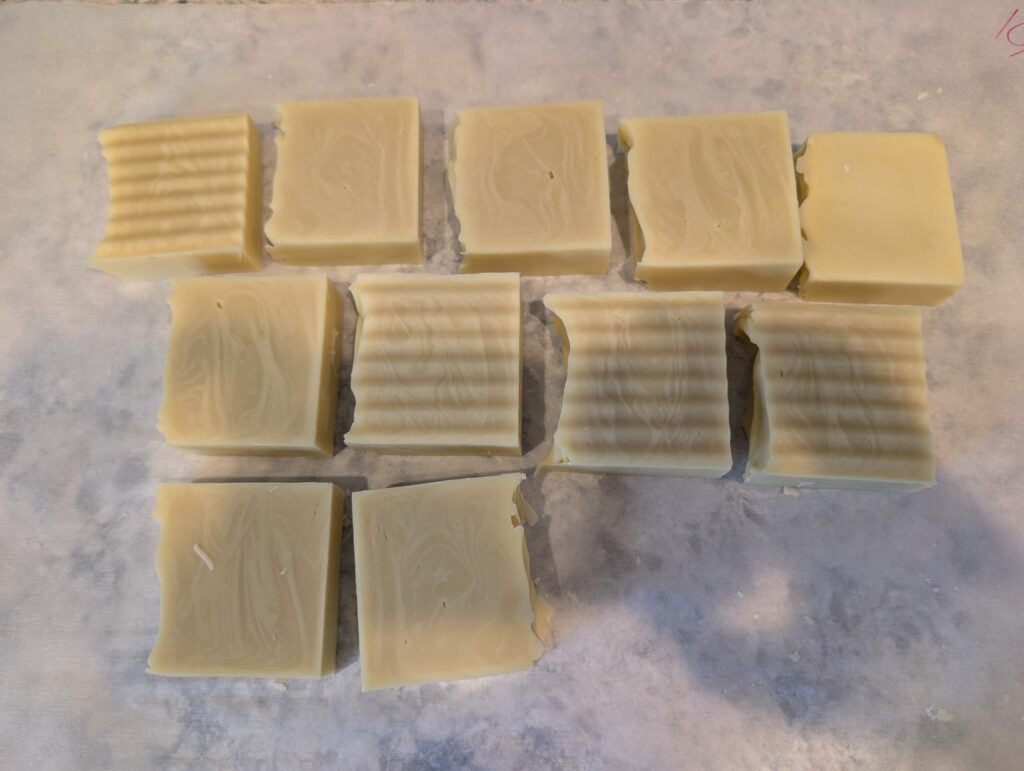
Our first batch of Gentle Shea soap. We played around with different types of cuts.
Cold pressed soap requires approximately four weeks to cure before it’s ready to use. Four weeks of checking on it, being patient, and crossing my fingers that our first batch would be a success. For someone so eager to dive in and start experimenting, that waiting period was the most challenging part of the entire learning process.
When that first batch was a success, the real fun began.
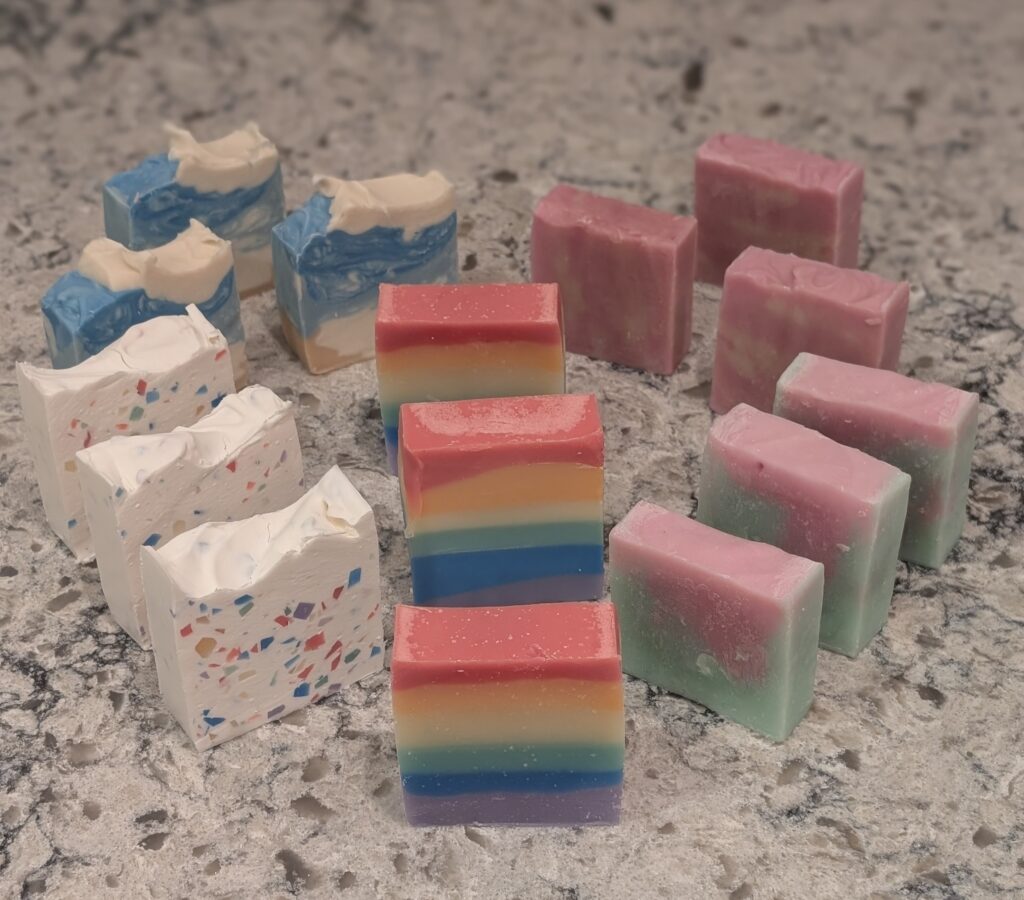
Olivia and I spent the rest of the summer doing what we love most, creating together. We experimented with colors, designs, textures, and fragrances. Some batches turned out exactly as planned. Some surprised us in the best ways. Every single one taught us something new. We are so proud of what we’ve made, and we cannot wait to share it with you.
We are thrilled to announce that cold pressed soap is now officially part of the Olivia’s Rainbow Rub collection. 100% all-natural, handcrafted in small batches, and made with the same love and care we put into every product we create. We will be sharing our soap creations regularly on Facebook and Instagram; follow along so you don’t miss a single one.
A Little Lesson Before I Go
The teacher in me simply cannot let this moment pass without a teachable moment, and if you know me, you’re not surprised.
Don’t be afraid to take on a new challenge or learn a new skill. Not only does learning something new keep our brains healthy and sharp, but it also provides a genuine sense of accomplishment and pride that is truly hard to match. I am a firm believer in lifelong learning. As I tell my students every year: think of your brain as a muscle; you have to exercise it, or it doesn’t grow.
To the parents reading this: take advantage of the summer months to encourage your children to learn something new, preferably something that doesn’t involve a screen. Our kids need opportunities to use their hands, develop their fine motor skills, and discover the deep satisfaction that comes from building patience and creating something real from scratch. Those are lessons and skills they will carry with them long after summer ends.
Making cold pressed soap with Olivia this summer reminded me of exactly why I started Olivia’s Rainbow Rub in the first place: to create something meaningful, together, from the heart.
And on that note, while my husband is quick to point out every Back to School commercial that appears on TV, I am firmly refusing to believe that summer is almost over. I still have one more item on my summer to-do list: making liquid hand soap. Stay tuned. 🌈🧼
❤️ With love,
The Mom Behind the Rainbow
Finding Beauty in the Weeds: The Story Behind Fine and Dandy

Posted by Mom | Olivia’s Rainbow Rub Blog
June 17, 2026
Last spring, I looked out across our yard and saw a sea of bright yellow dandelions. I’ve always loved the color yellow, and with so many dandelions in bloom, it was actually a beautiful sight.
While most people do everything they can to get rid of those “pesky” dandelions, seeing them as nothing more than weeds, I couldn’t help but wonder if there was a way I could use them.
I already knew that dandelions have been used for generations because of their many health benefits. The roots are often brewed into teas, and the leaves can be added to salads. Curious to learn more, I started researching and discovered that dandelions also offer some wonderful benefits for our skin.
Dandelions contain natural compounds that can help calm inflammation and reduce redness, making them a great addition to skincare for those with dry or irritated skin. They are also rich in antioxidants, which help protect the skin from environmental stressors and can help keep pores clear. Dandelions may even support collagen and elastin production, helping skin appear firmer and smoother over time.
I thought to myself, Anti-inflammatory? Skin-supporting? Antioxidant-rich? Those are exactly the kinds of ingredients I want in my skincare!
Now I had to figure out how to infuse my own oil.
After lots of research, I had a game plan. With large bowls in hand, Olivia and I headed into the yard to pick dandelion blossoms together.

While the flowers were infusing in the oil, I was pleasantly surprised by the delicate, fresh aroma that filled our kitchen. Once the oil was strained and cooled, my next challenge was creating the perfect fragrance to complement the naturally infused oil.
After plenty of experimenting, we found the perfect blend: lemon, plumeria, rose, and cedarwood. Together, they created a light, fresh scent that reminded us of springtime.
And just like that, our Fine and Dandy Lotion was born.
It quickly became one of our favorite seasonal products, and our customers loved it too.
This past winter, we created our facial moisturizer featuring rose hip seed oil, an ingredient we chose because of its incredible moisturizing properties and its ability to support healthy skin renewal. So when spring came around again and our backyard was once again covered with cheerful yellow dandelions, I knew exactly what I wanted to do.
Olivia and I headed back outside to harvest another batch of blossoms, not only to make our beloved Fine and Dandy Lotion, but also to bring those same skin-loving benefits to our facial moisturizer.
We’re excited to add Fine and Dandy Facial Moisturizer to our product line. Made with our handcrafted dandelion-infused oil, it’s inspired by one of nature’s most overlooked flowers. I’ve been using it every day for the past two months, and my skin has been loving it.
Sometimes the most beautiful ingredients are growing right beneath our feet.
So the next time you see a yard full of dandelions, remember, what one person sees as a pesky weed, another sees as beauty with endless potential.
❤️ With love,
The Mom Behind the Rainbow


When Real Life Matters More Than Content

Posted by Mom | Olivia’s Rainbow Rub Blog
June 9, 2026
This past weekend, Olivia had her annual Girl Scout Camporee, and once again I went along to help the troop leaders. Leading up to the weekend, I thought it would be a great opportunity to get some fun photos of Olivia with our new all-natural, kid-friendly bug spray and fragrance-free lotion for some fresh content.
Well, fast forward to Sunday morning, as we were finishing packing up after an adventure-filled weekend, I suddenly realized I hadn’t taken a single picture! In a quick moment of desperation, I snapped a photo of both products sitting on her cubby next to her bunk bed—knowing it really wasn’t going to cut it.
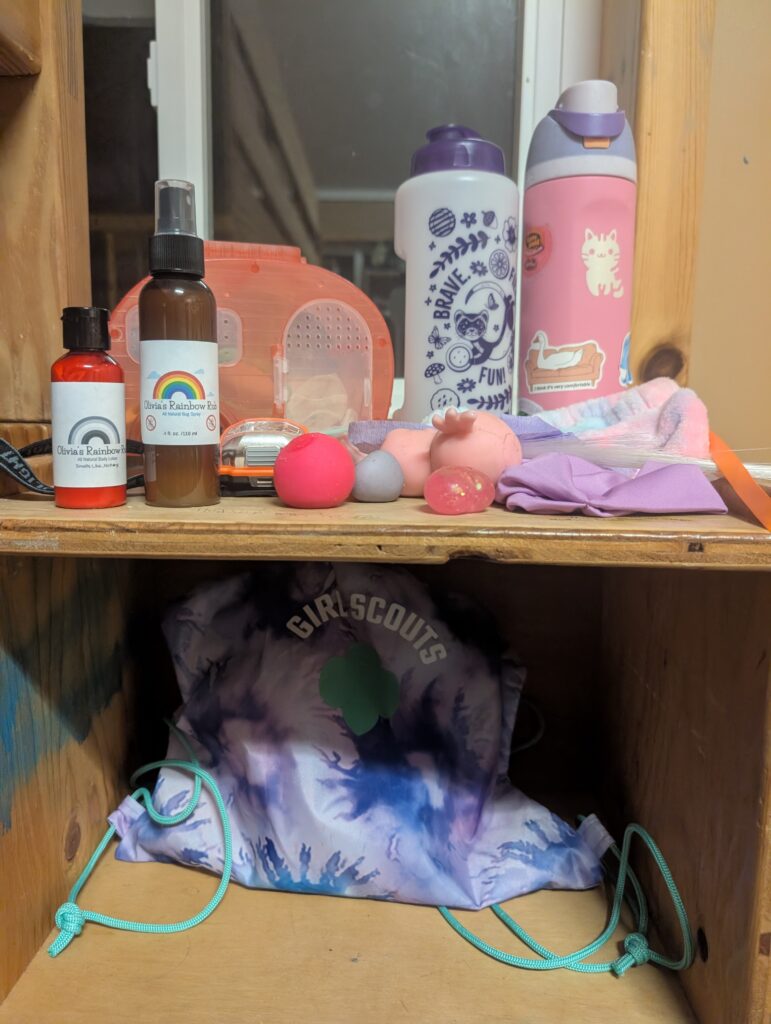
My last minute pathetic attempt at a photo :(.
But you know what? I’m okay with that.
When Olivia’s Rainbow Rub was created, it wasn’t just about making products we love—it was also an opportunity for Olivia to learn and grow. Through this business, she has improved her interpersonal skills, strengthened her math and writing skills, and continued to exercise her creativity in meaningful, real-world ways. It’s been something we’ve built together, and something she can truly take ownership of.
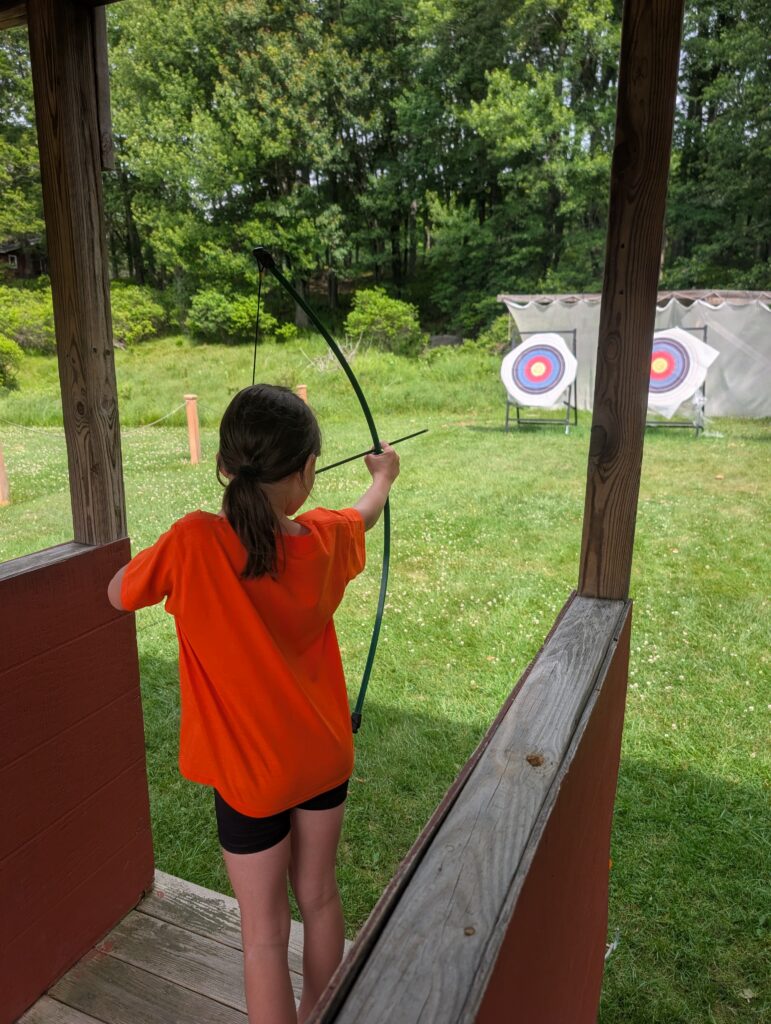
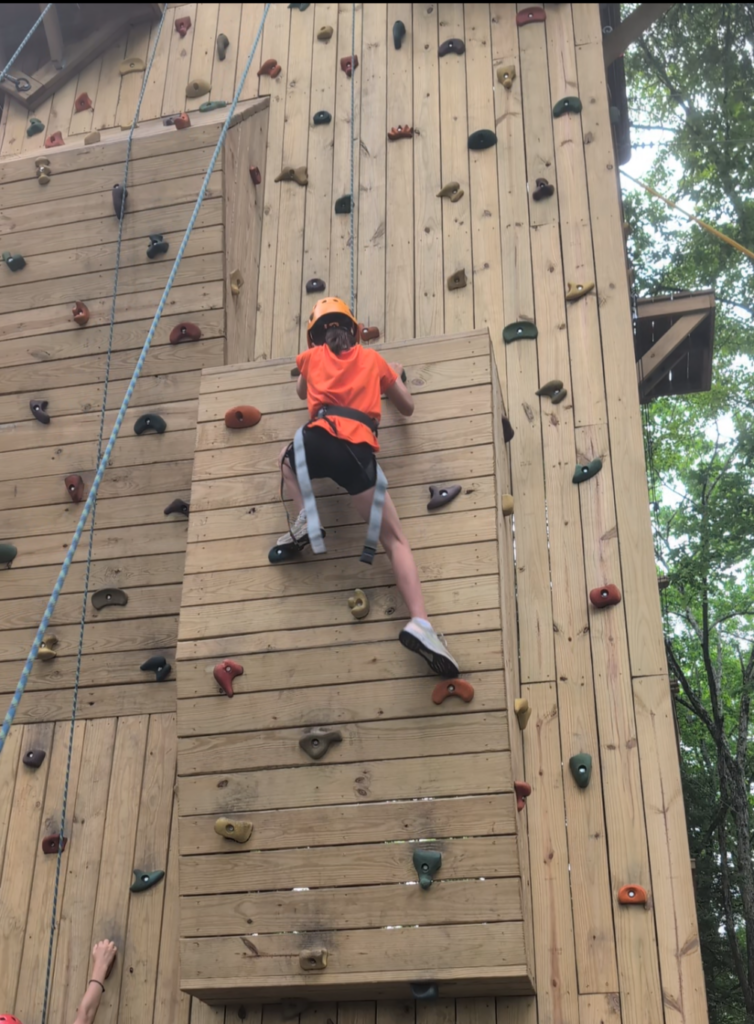
While Olivia and I love creating content for Olivia’s Rainbow Rub, I never want it to take away from her experiences. During the camporee, Olivia had a blast with her fellow Girl Scouts doing what she loves most—being outside, active, adventurous, and being a kid. She rock climbed, kayaked, swam, and tried archery, all while knowing I was truly present and taking in the experience with her.
When Olivia grows up, she’s not going to remember carefully staged photoshoots with products for social media. She’ll remember living in the moment—with Mom right there beside her.
❤️ With love,
The Mom Behind the Rainbow
Dear Moms: I’m a Teacher and Here’s What I’m Seeing with Skincare.
Posted by Mom | Olivia’s Rainbow Rub Blog
June 1, 2026
Hi, it’s Mom from Olivia’s Rainbow Rub!
I wanted to write this blog because I’ve noticed a concerning trend among our youth: a growing fascination with elaborate skincare routines and products, fueled largely by TikTok, Instagram, and YouTube.
As a Health and Physical Education teacher, I spend my days teaching students about their changing bodies and healthy hygiene habits. Over the past few years, I’ve noticed a dramatic shift in the conversations I have with young girls. Instead of asking about basic skincare and self-care, many are talking about multi-step routines, expensive serums, anti-aging products, and the latest skincare products they’ve seen influencers recommend online.
The skincare trend is one of the biggest trends among young girls right now, and I don’t see it going away anytime soon.
And I say that not with excitement, but with genuine concern.
Many of the products being heavily promoted on social media were never designed for young skin. They contain active ingredients intended for adults dealing with concerns like wrinkles, sun damage, and aging skin. For tweens and young teens, these ingredients can do more harm than good, potentially irritating or damaging the skin’s natural protective barrier.
At Olivia’s Rainbow Rub, we believe skincare should be simple. Olivia and I started this company because of our shared love of lotions, skincare, and natural ingredients. Our philosophy has always been that skin deserves honest ingredients, only what it truly needs and nothing more.
As both a teacher and a mom, I believe that’s a message our kids need now more than ever.
What You Can Do Right Now as a Parent
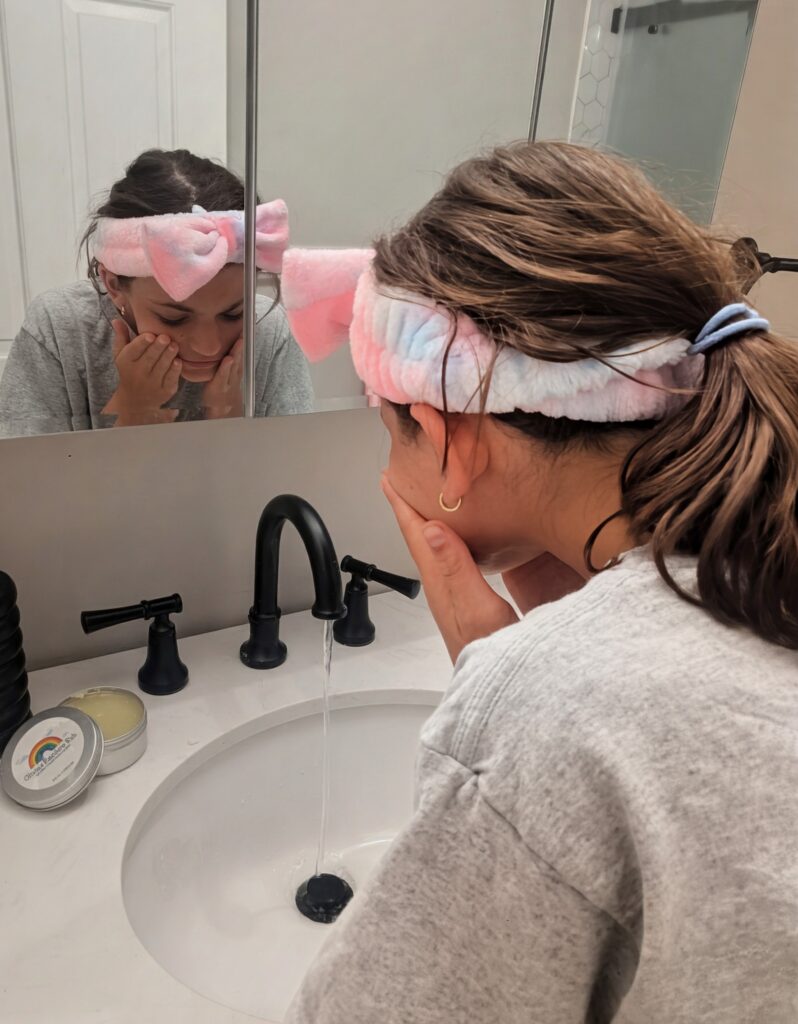
1. Have the conversation before the algorithm does. Talk to your tween or teen about what healthy skincare actually looks like and why. The medical consensus is simple: a gentle cleanser, a basic moisturizer, and sunscreen. Everything else is marketing aimed at their insecurities.
2. Read labels together. 55% of tweens don’t check product labels. Make it a habit — at home, at the store, anywhere. If the first five ingredients are unrecognizable, that’s a conversation worth having.
3. Question the content. Social media influencers typically have affiliate links that they profit from with skincare companies, despite presenting products under the guise of sharing a secret skincare tip. Help your child understand that what looks like a friend’s recommendation is almost always a paid advertisement.
4. Choose gentle, always. For any child without a diagnosed skin condition, gentler is always better. A balm cleanser over a stripping foam. A simple natural moisturizer over an active serum. Less is genuinely more — especially for young skin.
5. If there’s a real concern, see a dermatologist. If your child is struggling with a skin disease like acne, eczema, or psoriasis, an actual treatable medical condition, then you should see a dermatologist. Not follow a TikTok routine. See an actual doctor.
A Final Word From a Teacher and Mom Who Cares
Every day, I see kids navigating a world filled with more information, more pressure, and more marketing than any generation before them.
These are children. Trusting what they’re told is natural. Being targeted by industries that profit from their insecurities is not.
The pressure they feel is real. Social media doesn’t end when the school day ends. It follows them home, into their bedrooms, and onto the screens they carry everywhere.
As a teacher, I try to help my students think critically about what they see online. I encourage them to ask questions, read labels, and think about who benefits from the messages they’re being given.
As a mom and the co-founder of Olivia’s Rainbow Rub, I try to offer something simpler: skincare made with honesty, transparency, and ingredients that support healthy skin rather than trying to “fix” it.
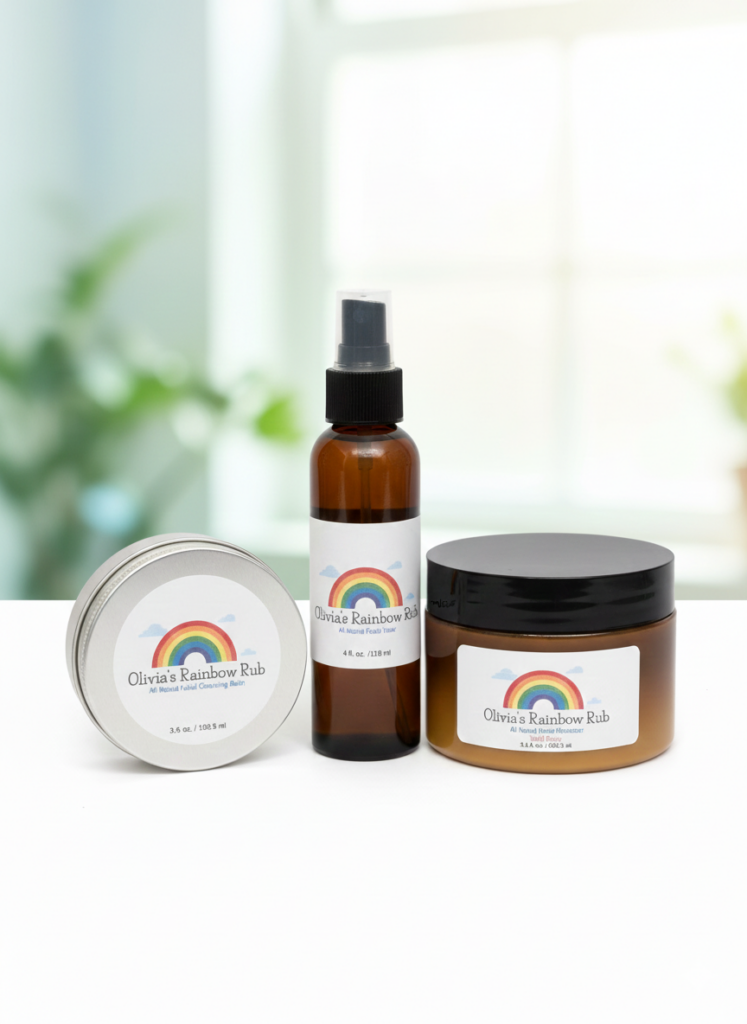
Young skin doesn’t need a cabinet full of products.
It doesn’t need anti-aging treatments.
It doesn’t need a ten-step routine.
What it needs is gentle care, healthy habits, and the confidence to know that it doesn’t need to be perfect.
You can choose gentle.
You can choose simple.
You can choose honest.
That’s what we’re here for, and that’s what we’ll always be about.
❤️ With love,
The Mom Behind the Rainbow
🌈 Olivia’s Rainbow Rub
This blog post is written for informational and educational purposes and does not constitute medical advice. If your child is experiencing a skin condition, please consult a board-certified dermatologist.
All Olivia’s Rainbow Rub products are 100% all-natural and handcrafted in small batches with love. Our Facial Cleansing Balm is formulated to gently cleanse and protect the skin barrier — for every age, every skin type, and every day.
🌈 Find your rainbow at oliviasrainbowrub.com